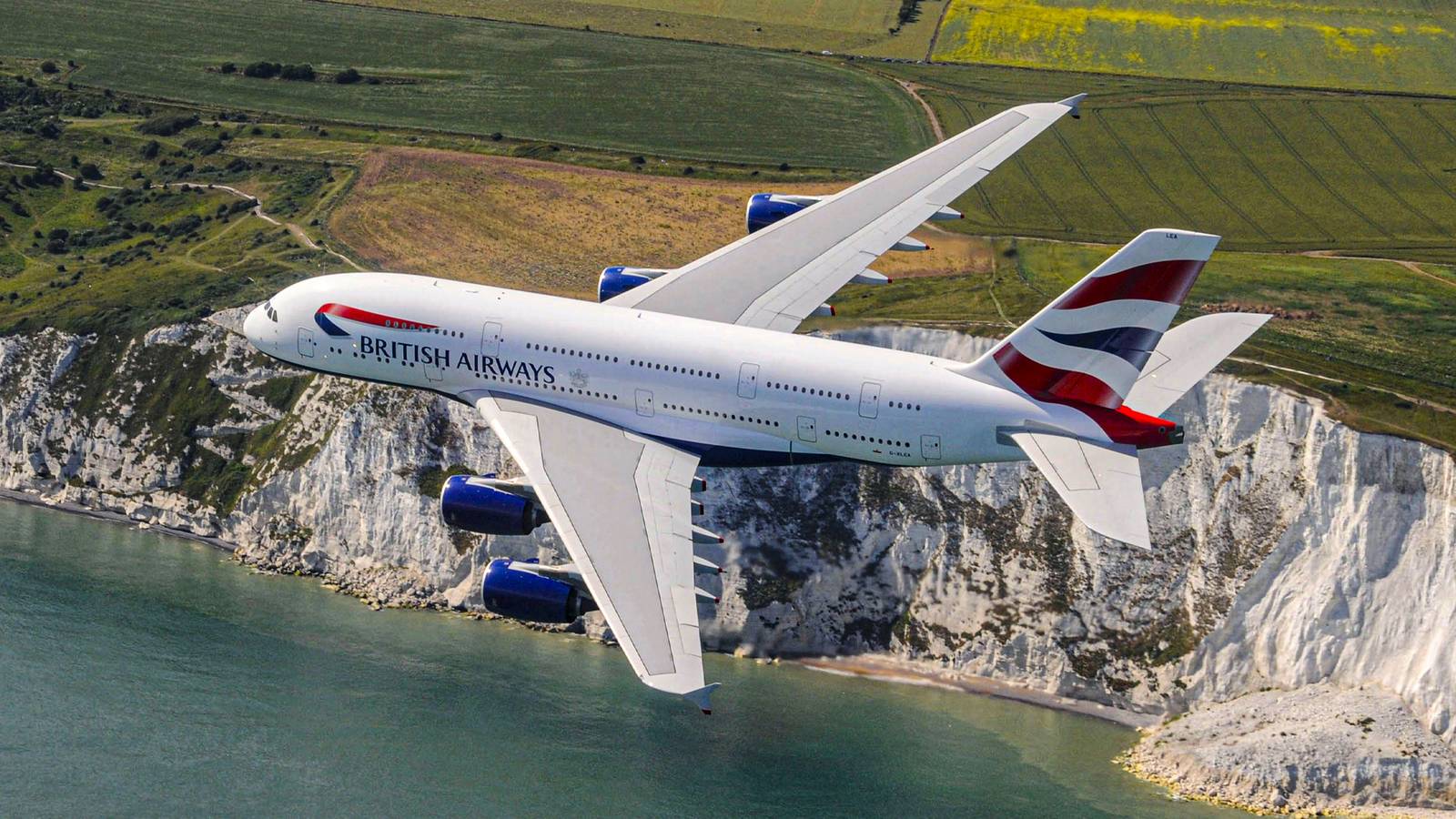
The Superjumbo's Strategic Redeployment: Why British Airways A380 is Leaving Los Angeles LAX
The majestic Airbus A380, a symbol of luxury and capacity in air travel, has long graced the runways of Los Angeles International Airport (LAX) under the British Airways livery. However, the era of the BA A380 superjumbo regularly departing from the West Coast's bustling hub is drawing to a close. For frequent flyers and aviation enthusiasts alike, this marks a significant shift. The main keyword here is clear: the **A380 Removal British Airways LAX** is not merely a cancellation but a strategic redeployment aimed at optimizing British Airways' post-pandemic network and maximizing the unique capabilities of its flagship aircraft on other key transatlantic routes.
This move underscores a broader trend in aviation where airlines are meticulously re-evaluating their fleet utilization to meet evolving passenger demand and operational efficiencies. While Los Angeles has been a crucial gateway, British Airways has identified new markets where the immense capacity and passenger appeal of the A380 can be better leveraged, signaling a dynamic restructuring of its North American operations.
A Farewell to the City of Angels: Where the A380 is Heading
The decision for the **A380 Removal British Airways LAX** is rooted in a strategic reallocation of these magnificent aircraft. British Airways, having brought its entire A380 fleet back into service after the pandemic, has been keen to deploy them where they can generate the most value. Rather than being retired, these superjumbos are being shifted to other significant North American cities, expanding the A380's presence across the continent.
From March 27, 2022, and subsequent dates, British Airways began introducing its Airbus A380 service to several new destinations, demonstrating a clear pivot in its operational strategy. These include:
* **Boston (BOS):** Starting May 15, 2022
* **Chicago (ORD):** Beginning June 1, 2022
* **Vancouver (YVR):** Commencing June 1, 2022
* **Washington, D.C. (IAD):** Launched March 27, 2022
These cities join the previously announced A380 routes to Dallas Fort Worth (DFW), Miami (MIA), and San Francisco (SFO). Notably, most of these newly added cities (with the exception of Dallas) were served by BA’s A380 before the global health crisis, indicating a return to pre-pandemic strategic alignments and a recognition of strong demand on these corridors. This aggressive expansion of A380 service across North America signals British Airways' confidence in these markets and its commitment to deploying its largest aircraft where it can make the most impact. For a more detailed breakdown of these shifts, you can read more about
BA's A380 Route Changes: More Cities, LAX Exit Confirmed.
The underlying reasons for this strategic shift are multifaceted. Airlines constantly optimize their networks based on factors like passenger demand, competitive landscape, slot availability at airports, and the specific needs of premium versus economy cabin configurations. The A380, with its massive capacity and unique four-engine operation, is particularly suited for high-density, often premium-heavy routes where it can minimize flight frequencies while maximizing passenger uplift and operational efficiency on those specific corridors. Los Angeles, while a vital market, may now be better served by British Airways' other wide-body aircraft, such as the Boeing 787 Dreamliner or 777, which offer greater flexibility and fuel efficiency for certain market dynamics.
The British Airways A380 Experience: A Traveler's Perspective
For many who flew from LAX to London Heathrow (LHR) on British Airways, the A380 offered a distinctive and often superior travel experience, particularly in its economy class, branded as World Traveller. In the vast majority of cases, the quality of a flight experience, especially on long-haul routes, is best measured by how well the economy class passengers are served, as they represent the bulk of travelers.
Compared to some transatlantic competitors, British Airways' A380 economy class was frequently lauded for providing a more comfortable journey. The sheer size of the aircraft often translated into a sense of greater space, even with its 3-4-3 seating configuration on the lower deck. Passengers often remarked on the quieter cabin environment, a hallmark of the A380, which contributed to a more restful flight. The inflight entertainment system was also robust and extensive, ensuring a ten-hour transatlantic journey passed by enjoyably. Anecdotal evidence suggests that the A380's economy experience often surpassed that offered by other carriers on similar routes, making it a preferred choice for many. For deeper insights into this experience, consider exploring
British Airways A380 Economy: A Better Transatlantic Flight?.
One memorable aspect of flying the A380 could even begin before boarding. Take, for instance, the intricate dance of connecting flights at a mega-hub like LAX. Navigating LAX, especially when arriving on a domestic flight and connecting to an international one, requires careful planning. Arriving at LAX via a domestic carrier often necessitates exiting one terminal, taking a shuttle bus, and re-entering security at the Tom Bradley International Terminal (TBIT) – a process that can easily consume precious transit time. For travelers accustomed to smoother transfers at other international airports, this can be a rude awakening. Therefore, a crucial tip for anyone connecting through LAX, regardless of the aircraft type, is to **always allocate a minimum of 3-4 hours for international connections, especially if changing terminals or airlines**. Even then, be prepared for the unexpected, from weather delays at your departure airport to the sheer scale and complexity of LAX itself.
Once onboard the A380, the experience could range from the slightly humorous (like being personally escorted onto the plane after a frantic dash, feeling a touch like a celebrity) to the genuinely comfortable. While access to the upper deck in economy was often restricted, the sheer volume of the lower deck, coupled with often generous legroom, made for a pleasant journey. Finding an empty middle seat, a rare luxury in economy, was indeed true luck on a fully booked superjumbo.
What the Future Holds: Flying British Airways from LAX and Beyond
With the **A380 Removal British Airways LAX** becoming a reality, travelers planning to fly British Airways from Los Angeles to London Heathrow will now experience a different aircraft type. British Airways operates a diverse fleet of modern wide-body jets, including Boeing 777s and 787 Dreamliners. These aircraft, while perhaps lacking the sheer scale of the A380, offer excellent comfort, range, and often feature updated cabin products. Passengers can expect efficient, comfortable transatlantic service, albeit with a different feel and cabin layout.
For those eager to experience the British Airways A380, the good news is that it’s not being retired. Instead, travelers will need to route through one of the new or existing A380 cities like Boston, Chicago, Dallas, Miami, San Francisco, Vancouver, or Washington D.C. This offers an opportunity to explore different departure points or to build a multi-city itinerary that includes the A380 experience.
**Practical Tips for Travelers:**
* **Check Aircraft Type:** Always verify the specific aircraft operating your flight when booking, especially if you have a preference or specific seating requirements. While airlines can make substitutions, this information helps set expectations.
* **LAX Connection Strategy:** If connecting through LAX for any international flight, allow ample time (at least 3-4 hours) for transit between terminals. Familiarize yourself with LAX's terminal layout and shuttle services in advance.
* **Leverage Loyalty Programs:** British Airways, as part of the Oneworld alliance, offers seamless connections and benefits for frequent flyers, even when switching between different aircraft types or partner airlines.
The strategic repositioning of the A380 fleet demonstrates British Airways' agile response to market changes and its commitment to optimizing its most powerful assets. While LAX bids adieu to its regular A380 service, the superjumbo will continue to play a vital role in connecting other major North American cities with London.
Ultimately, the departure of the British Airways A380 from Los Angeles is not an ending but a new chapter in the airline's evolving network strategy. It signifies a smart, calculated move to place its largest aircraft where they can best serve the airline's commercial objectives and passenger demand in the post-pandemic travel landscape. While LAX may miss the distinct presence of the A380, British Airways ensures continued strong connectivity to London, while other cities gain the unique advantage of the superjumbo experience.